22% of shoppers plan to start their holiday shopping earlier than last year. That means holiday intent shows up on your website weeks before Black Friday, in the way visitors search, browse, and decide.
Think about how you shop in August compared to late November. In August, you browse at your own pace and mostly buy for yourself. In November, you shop with a budget, a list of people to buy for, and a date the gift has to arrive by. You’re the same person, yet you look for different things, worry about different things, and respond to different messages.
Most websites miss this change; they keep the experience they ran all year, then rush to add holiday banners once peak traffic arrives. By then, there’s no time left to study behavior or wait for a test to reach significance. The brands that convert best spot the shift early and adapt before the rush begins.
So, what does this shift look like on your website? Here are five holiday shopping behaviors, what each one tells you about your visitors, and how brands already respond to them.

Five holiday shopping behaviors to catch early
1. Deal hunter
Holiday visitors arrive looking for discounts, and they head straight to sale pages, sort by price, look for the coupon field, and compare offers across tabs before committing to anything.
So, what does this visitor need?
A clear offer shown early, plus a reason to believe it’s worth taking. The discount gets their attention, and proof of value closes the sale. Also, the discount doesn’t have to reach everyone. A visitor who was ready to pay full price gains nothing from a banner, and you give away margin you didn’t need to.
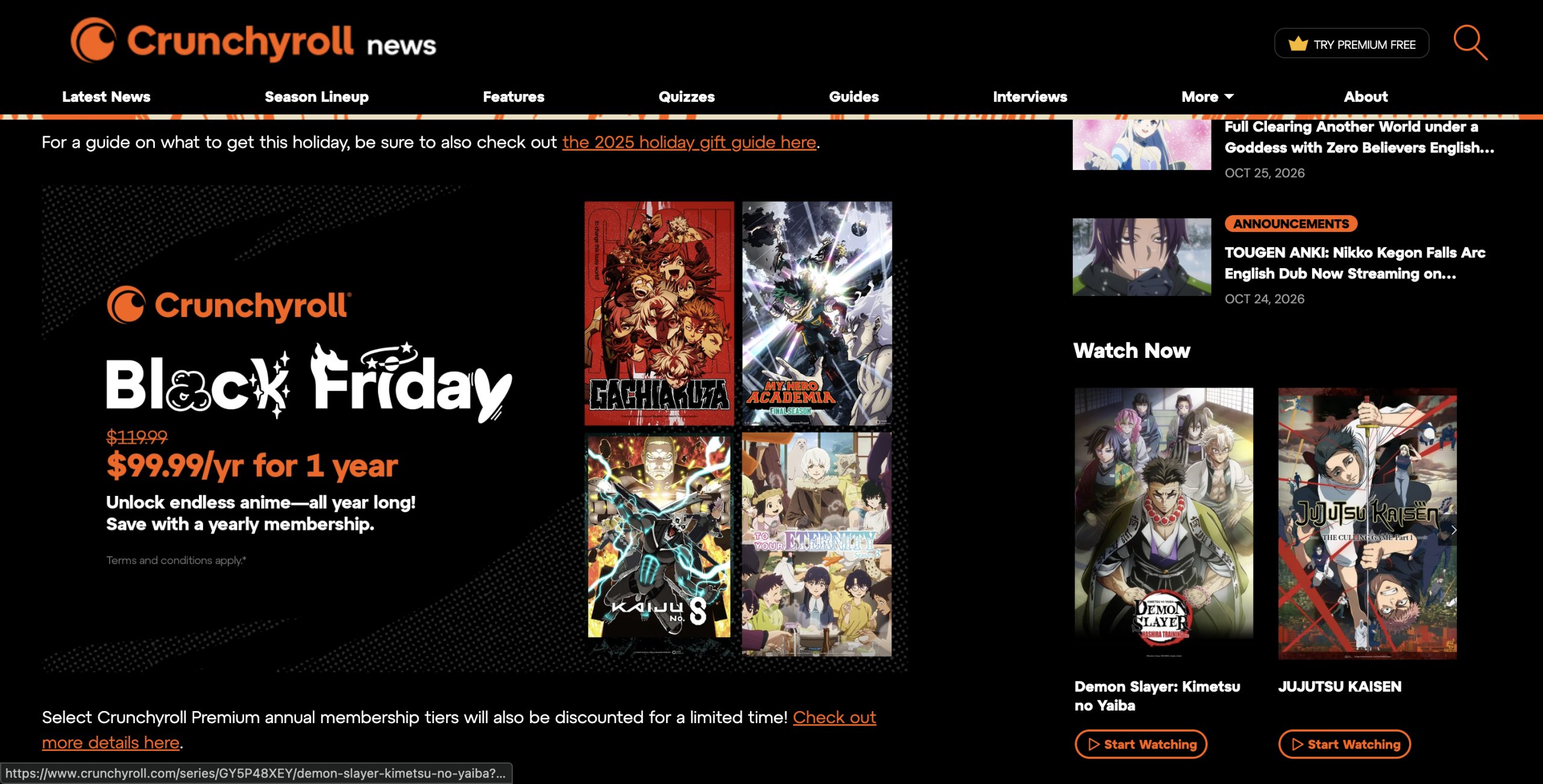
For example, Crunchyroll’s Black Friday campaign puts a discounted annual membership front and center, then backs it with posters of its biggest shows. The offer answers “is this worth a year?” on the spot. The next step is making that proof personal. A visitor who has been watching Demon Slayer would find the same offer more convincing next to Demon Slayer than next to four shows they’ve never seen.
2. Occasion planner
Visitors stop browsing by department and start shopping for a Thanksgiving dinner, a Halloween party, or an advent calendar. Seasonal products see a spike in views, and visitors expect to find them without digging through category pages.
The logical fix is to group seasonal demand by occasion and put it right where visitors land. Then go one step further and order those occasions by what each visitor has been browsing.
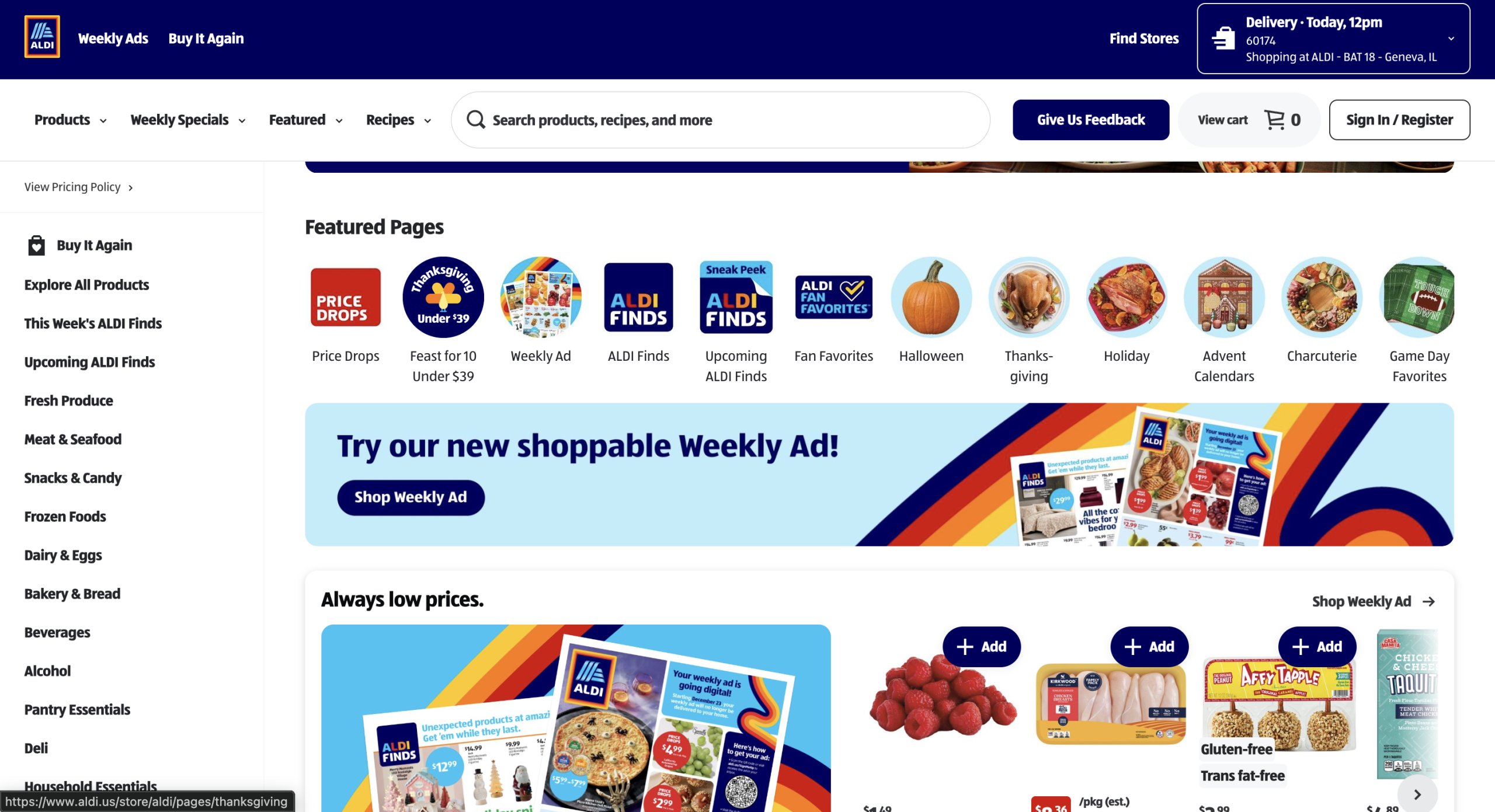
Aldi does the first part well. Its Featured Pages row lists Halloween, Thanksgiving, Holiday, Advent Calendars, Charcuterie, and Game Day Favorites as separate entry points, so shoppers don’t have to search the Meat & Seafood category for a turkey. Every visitor sees the same row in the same order, though. A shopper who spent two visits on turkey and sides should see Thanksgiving first, while one browsing chocolate and gifts should see Advent Calendars first.
3. Delivery dates watcher
As the holiday gets closer, the delivery date becomes the deciding factor. Visitors check shipping details before they check the price, and drop-offs at the shipping step start to climb. The question on their mind is simple: will it arrive in time?
So answer that question directly, on the product page, in the language of the occasion. A date makes the visitor do the math. A promise tied to the holiday does the math for them.
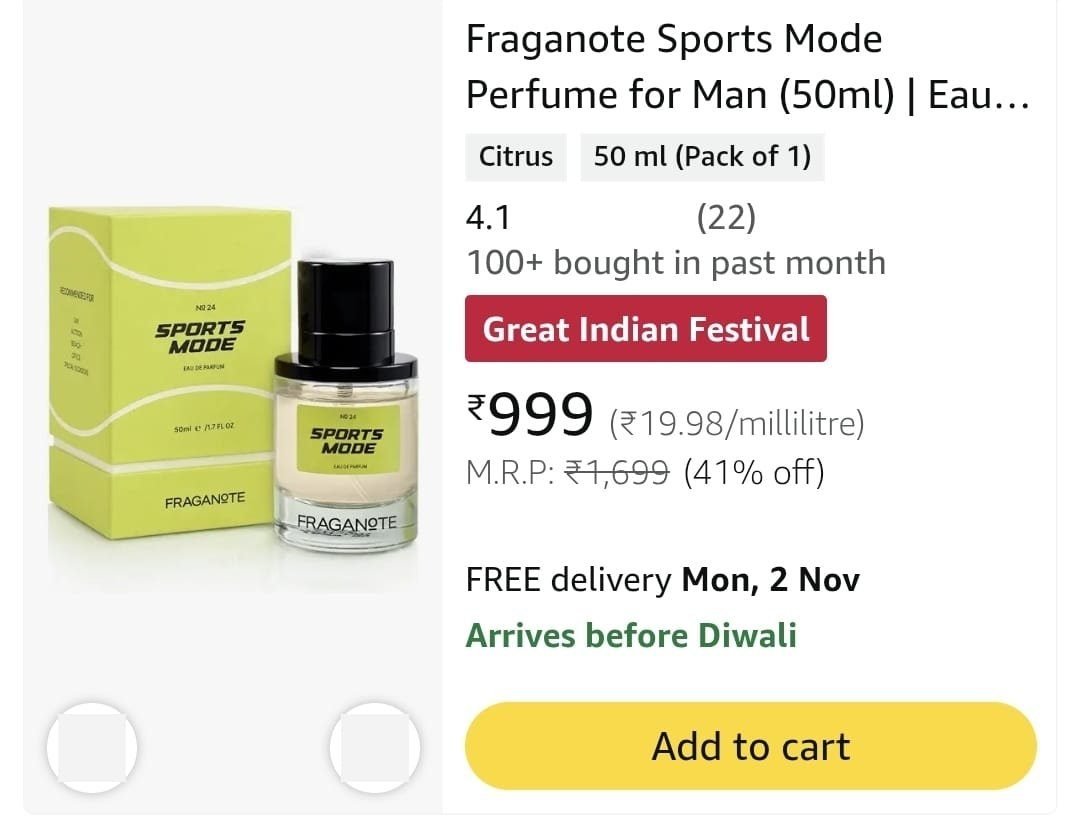
Amazon India shows this during its Great Indian Festival sale. A perfume listing reads “FREE delivery Mon, 2 Nov” and, right below it, “Arrives before Diwali.” The second line is the one that sells. Swap Diwali for Thanksgiving or Christmas, and the deadline shopper behaves exactly the same way, which makes this one of the easiest shifts to plan for in any market.
Watch a webinar: The Great Indian A/B Bazaar 🪔🛍️
4. Proxy shopper
People buy in categories they know little about, like a parent buying a gaming headset for a teenager. They search by recipient and budget, not by specs, and they need reassurance more than features. You’ll see them linger on product pages, open the returns policy, and lean on ratings and best-seller badges to make up their minds.
Their biggest worry is getting it wrong. So the experience should lower that risk where the decision happens: a visible return policy, clear social proof, and ways to shop by who the gift is for.
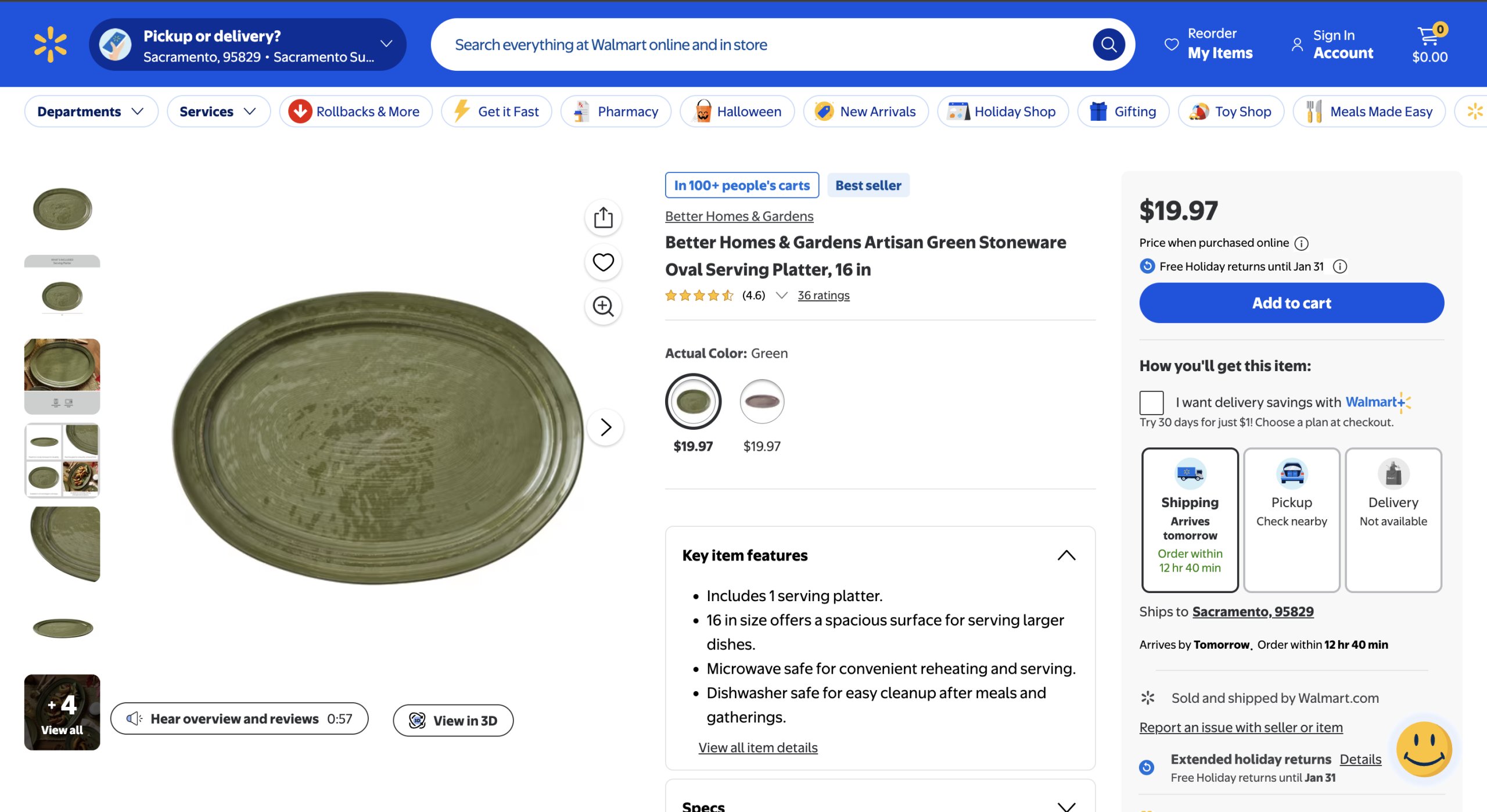
Walmart puts this into practice on its product pages. A serving platter listing shows “Free Holiday returns until Jan 31” directly under the price, next to “In 100+ people’s carts” and a “Best seller” tag. Someone buying a platter for a host they barely know gets their main concern answered before they even scroll.
5. Gift recipient
The holiday shift doesn’t end on December 25. In the weeks that follow, a new kind of visitor shows up holding a gift card or an item to exchange, from a brand they never chose. For many of them, it’s their very first visit.
This visitor deserves the welcome you’d give any new customer. Greet them, recommend what fits their taste, and make the exchange the start of a relationship. Handled well, the returns moment turns into an acquisition opportunity.
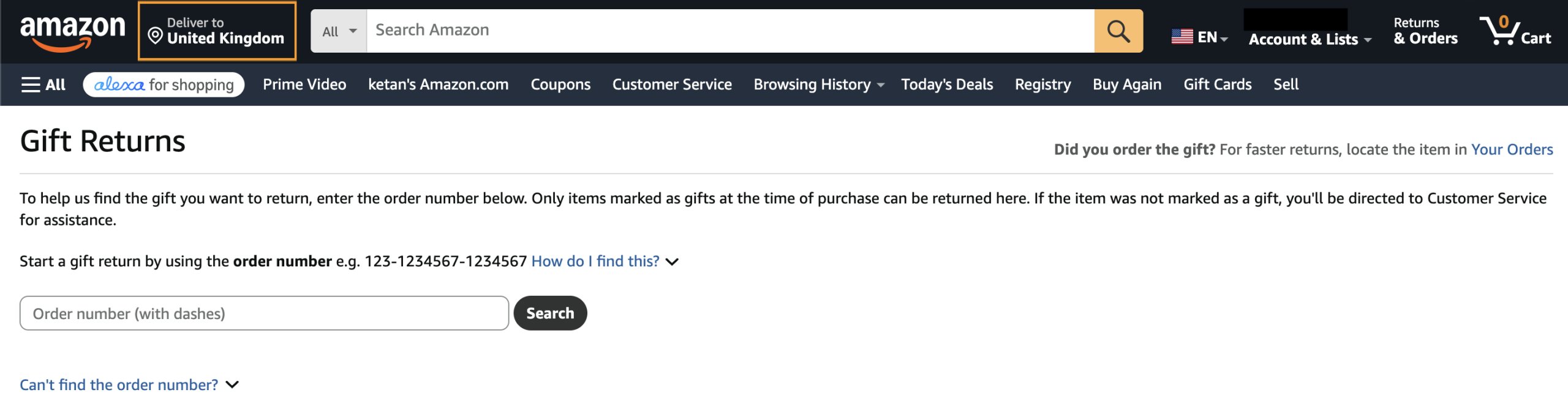
Amazon already treats the recipient as a separate visitor. Its Gift Returns page has its own entry point, and it redirects actual buyers with “Did you order the gift?” The page itself stays functional: an order number field and a search button. There’s room to go a step further and welcome this first-time visitor with a reason to come back, an opportunity most brands still have after the holidays.
Catching the shift with Wingify
Every behavior above leaves a signal on your website long before it shows up in your revenue report. The real work is spotting that signal early enough to act on it.
That starts with understanding your visitors. Wingify Analytics brings Journey Analytics, Behavior Analytics, and User Feedback together, so you can see the shift as it happens.
- Funnels show where shoppers drop off during checkout.
- Heatmaps and session recordings show people searching for the coupon field or rereading the return policy.
- Surveys capture what they meant to do and why they left.
Wingify captures interactions automatically, so you can analyze them retroactively without waiting on new tracking, and Wingz works across all of it to highlight patterns and suggest what to test.
“Using Wingify Analytics has been a great resource for going beyond the data in our Google Analytics platform and diving more into the behavior of the users on our site. While GA data can point to user patterns, it is more difficult to see where those patterns have originated from – and Wingify helps give a better look at this behavior. Wingify has helped our team at Greyson Clothiers get a better understanding of how we can optimize different elements of our platform to make our shopping experience seamless, engaging, and unique.”
– Théo Münch,
UX Strategy Manager at Greyson Clothiers
Source: Greyson Clothiers success story
Then you act on what you find.
- With Wingify Personalization Suite, each audience sees the message that fits its moment, even when visitors are anonymous, as is common with holiday traffic. Deal hunters see the offer, deadline shoppers see the delivery promise, and gift recipients get a proper welcome.
- With Wingify Commerce Suite, search, recommendations, and merchandising all read the same shopper. The proxy shopper who types “gift for a teenager who plays games” finds the right headset, and you decide who sees a discount so it never goes to a shopper who doesn’t need one.
- Not ready for personalization yet? Start with a simple A/B test using Wingify Experimentation Suite. Test “Arrives before Thanksgiving” against a plain delivery date, or a visible return policy against your current product page. One winning test before the peak keeps paying off for the rest of the season.
Give your visitors the gift of relevance
Your holiday shoppers have already started to change, and the signals are on your website right now. If you read those signals early, you can deliver the right experience to every visitor and turn holiday traffic into revenue. Book a demo and see how Wingify helps you spot the shift, act on it, and prove what works before peak traffic arrives.
Frequently asked questions
During the holidays, most people shop for others under time and budget pressure, so trust, timing, and value carry more weight than personal taste. They also buy in categories and price ranges they’d normally skip, which makes past browsing a weaker guide to what they want next.
Run your tests one to two months before the holiday peak, when traffic is steady enough to reach significance and winning changes can go live before the peak. Lock major site changes before Thanksgiving week so your highest-revenue days run on a proven experience.
Yes, traffic source, location, device, pages viewed, and items added to the cart reveal intent from the first click, with no login or profile required.
Unexpected shipping costs, forced account creation, and slow checkouts on mobile are common reasons. Many holiday visitors also use the cart as a wishlist, saving items while they wait for a better price.
Yes, peak dates and gifting habits differ widely, from Singles’ Day in China to Boxing Day in the UK and El Buen Fin in Mexico, so a single global holiday calendar will miss local peaks.
Categories:

I’m a content marketer at VWO, reading and writing on topics like behavior analytics, conversion rate optimization, and experimentation. Prior to VWO, I built and managed my own website where I discussed business growth and career. When I’m not at my desk, you’ll find me exploring nature trails, cycling through the countryside, or seeking out new physical challenges—those are my ideas of a good time! Want to start a conversation with me? Just mention BIRDS, and you’ll have my undivided attention.